
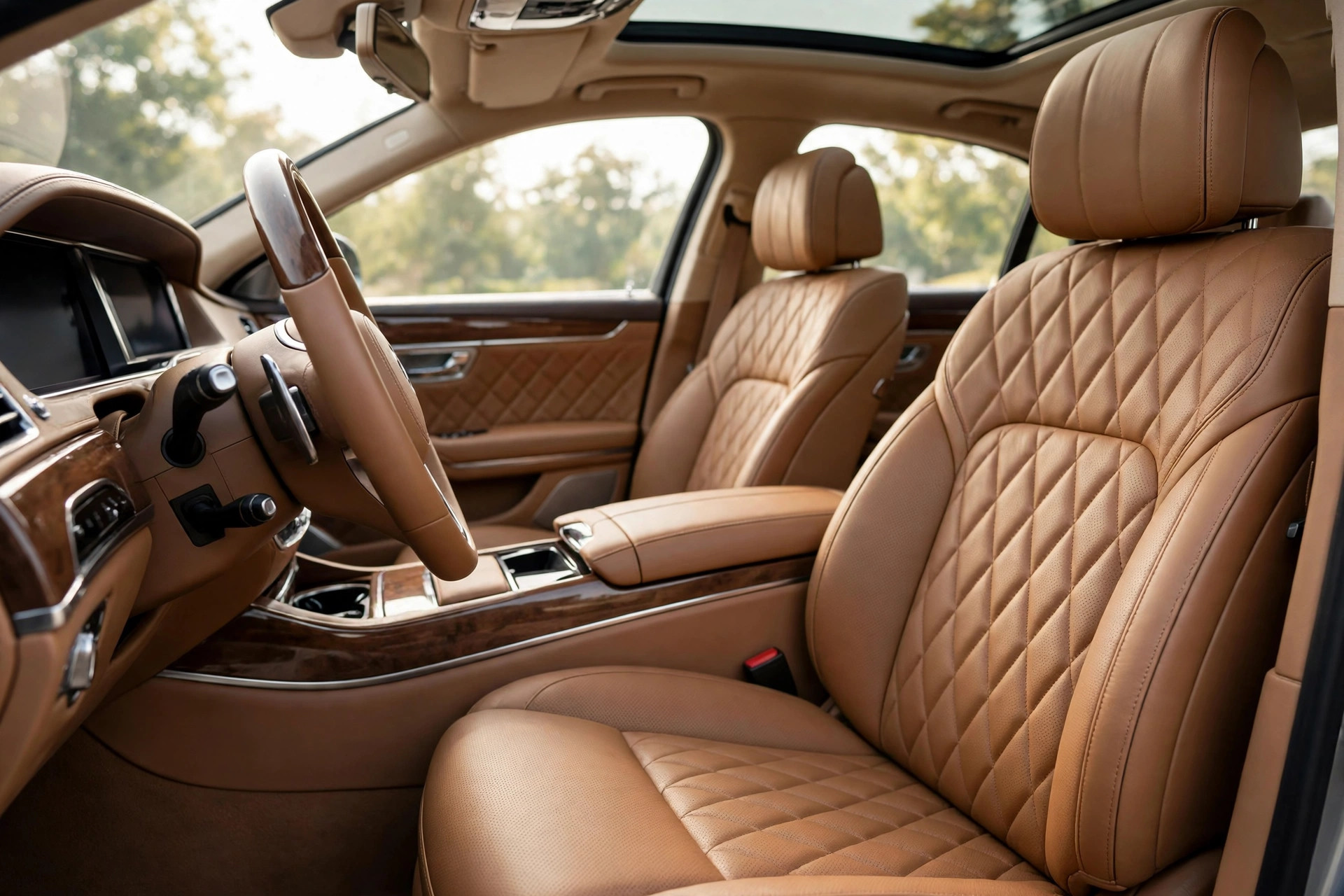
If you want to know how to present a car interior for a show, start where the judges start: at eye level, inside the car, where who prepared it, what they cleaned, and how carefully they worked become obvious within seconds. This guide walks through the interior the way a judge does, panel by panel, so you can fix what they will find before they find it. Where it matters most is in close classes, when a dusty dash or a stained carpet can decide the result.
Exteriors win attention, but interiors win trophies. Judges open the doors on every serious entry, and what they find inside often decides close classes. An interior does not need to be exotic to score well; it needs to be clean, correct, complete, and coherent.
The cars that lose interior points usually lose them to neglect, not to lack of money: dust on the dash, stained carpets, a sagging headliner, or a trunk that looks like a storage unit. Interior judging happens at eye level and at arm’s length, which makes it unforgiving. Judges sit in the seats, run their hands along the dash, look up at the headliner, and peer into every corner, with no distance to hide behind.
Owners of performance cars can also pick up material-specific tips from an alcantara care guide, since modern sport interiors use fabrics that need different care than classic vinyl and leather. The same discipline applies when comparing exterior-focused coverage such as Bentley Pickup Exterior 2026.
Seeing the Interior Through a Judge’s Eyes
Judges evaluate interiors against three questions: is it clean, is it correct, and is it complete. Clean means free of dust, stains, and wear that cleaning could fix. Correct means the materials, colors, and components match what the class standard expects, whether that is factory original or a coherent custom scheme.
Complete means nothing is missing, broken, or half-installed. A car can be modest and still score well if it answers all three questions confidently. The inspection follows a pattern.
The judge opens the driver door and takes in the overall impression: does the interior look cared for. Then the details: seat condition, carpet, dash, console, door panels, headliner, glass, gauges. Then the less obvious: seat tracks, pedal pads, the area under the seats, the trunk.
Knowing this sequence lets you prepare in the same order, so your effort matches the judge’s attention. Spend your time where their eyes go. Lighting matters more than owners expect.
Judges look inside cars in daylight, often with the doors open and sunlight streaming in, which reveals every dust mote and smudge. Prepare your interior in the brightest light you can find, not in a dim garage. If it looks clean under harsh daylight, it will look clean to the judges.
Much of this work falls under auto detailing, where method matters more than expensive products. Design-led reading, from cabin trim to 2026 BMW Sedan Exterior: Future Design & Aesthetic Trends, likewise trains the eye for coherence.
Seats, Carpets, and Floors
Seats are the largest interior surfaces and the first thing a judge sees. Clean them with products matched to the material: leather cleaner and conditioner for leather, appropriate fabric cleaner for cloth, vinyl cleaner for vinyl. Treat bolster wear, cracks, and fading honestly.
Light wear can be improved with cleaning and conditioning, but heavily worn seats need repair or reupholstery to score well. Check the seat backs and the areas between and behind the seats, where dust and debris accumulate unseen. Carpets and floor mats take the most abuse in any interior.
Remove the mats, vacuum thoroughly, and shampoo the carpet with an extractor if you have access to one. Pay special attention to the driver footwell, the dead pedal area, and the edges where the carpet meets the sills. Replace missing or damaged carpet fasteners, and make sure the mats sit flat and match.
Mismatched or curling mats are a small thing that reads as neglect. Do not forget what is under and around the seats. Judges look at seat tracks, the floor beneath the seats, and the seat mounting hardware.
Clean and touch up these areas, because a spotless cabin with rusty seat tracks tells the judge the detailing was superficial. The same applies to pedal pads. Worn-through pads are cheap to replace and instantly visible to anyone glancing at the footwell.
Before show day, run through the floor-level checks judges make first:
- Vacuum and shampoo the carpet, especially the driver footwell and dead pedal area.
- Make sure mats sit flat, match, and have intact fasteners.
- Clean seat tracks, mounting hardware, and the floor beneath the seats.
- Replace worn-through pedal pads rather than hoping nobody looks down.
Dashboard, Console, and Gauges
The dashboard is the interior’s centerpiece and a dust magnet. Clean it with a soft brush and appropriate cleaner, working into the vents, the seams around gauges, and the base of the windshield where dust collects in a visible line. Avoid shiny dressings that create glare, because judges prefer a clean factory-sheen finish over a greasy shine.
If the dash is cracked, a quality cover or cap can be a reasonable compromise. A proper repair or replacement scores better in classes where originality counts. Gauges deserve individual attention.
Clean the lenses with a plastic-safe cleaner and a microfiber, never paper towels, which scratch. Check that all gauges work and that warning lights behave correctly, because a judge who notices a dead gauge questions the car’s overall maintenance. The vintage speedometers details on classic cars remind us that vintage instruments are part of the car’s character.
Keeping them original and functional impresses judges who know the marque. The console and shifter area collect grime from hands. Clean every surface, detail the shifter boot, and check the ashtray, cup holders, and storage compartments, because judges open them.
Remove personal items: coins, pens, sunglasses, and paperwork all need to go. The interior should look like the car just left the showroom, not like someone drives it daily, even if someone does.
Headliner, Glass, Pillars, and the Trunk Test
The headliner is checked by every judge who sits in the car, and it is one of the most commonly neglected surfaces. Clean it gently with an upholstery cleaner and a soft brush, working in one direction to avoid damaging the fabric or foam backing. Sagging headliners need proper repair, because temporary fixes with pins or staples are visible and will cost points.
A tight, clean headliner transforms the feel of the whole cabin. Interior glass must be flawless. Clean the inside of the windshield, side windows, and rear glass with a dedicated glass cleaner, and do it twice, because the film on interior glass is stubborn and invisible until backlit.
Clean the rearview mirror and check the sun visors, which judges flip down. Smudged interior glass is one of the most common interior deductions, and one of the easiest to prevent. Pillar trim, seatbelts, and hardware complete the picture.
Clean the A, B, and C pillar trim, extend the seatbelts fully and clean the webbing, and check the retractors work smoothly. Detail the door seals and the metal sill plates, which show every scuff. These are small surfaces, but judges see them at close range, and clean small surfaces signal thoroughness.
Judges open the trunk, and what they find there colors their impression of the whole car. A proper show trunk is clean, organized, and complete: clean carpet or mat, tidy spare tire area, correct jack and tools if the class expects them, and no personal clutter. Remove everything that does not belong: the emergency kit, the shopping bags, the detailing supplies you used that morning, all of it goes in your support vehicle, not the trunk.
Clean the trunk as thoroughly as the cabin: vacuum, wipe the panels, clean the underside of the trunk lid, and detail the weatherstripping and latch area. Check the trunk light works. If the car has a visible fuel filler or battery in the trunk, detail those too, and on cars where the spare and jack are part of the original equipment, having them present and correct can earn points in originality-focused classes.
Some competitors dress the trunk with a display: the owner’s manual, period-correct accessories, or documentation in a neat binder. Done tastefully, this adds to the presentation and gives judges something positive to note. Done excessively, it looks like clutter, so one or two relevant items, neatly arranged, is the right balance.
Smell, Sound, and Final Details
Judges notice smell. A musty, smoky, or chemical interior undermines an otherwise perfect presentation. Air the car out thoroughly before the show, address the source of any odor rather than masking it, and skip the hanging air fresheners, which judges read as a cover-up.
A neutral, clean-smelling interior is the goal. If the car has been stored, run the ventilation system with the windows down to clear stale air from the ducts. Check every interior function the judge might try: windows, locks, interior lights, horn, wipers, and the dome light.
Everything should work. A judge who finds three dead interior lights starts wondering what else does not work, and that skepticism spreads across the score sheet. These are usually bulb or fuse fixes that cost almost nothing and take minutes.
The final interior check happens with fresh eyes. Close the car up, walk away for ten minutes, then come back and sit in each seat as a judge would. Look around slowly, because the things you notice now are the things the judges will notice later.
Fix them, and your interior is ready. Stitched details like those covered in a leather stitching guide reward this kind of close inspection. Quality workmanship only shows to people who actually look, and judges always look.
Related posts:
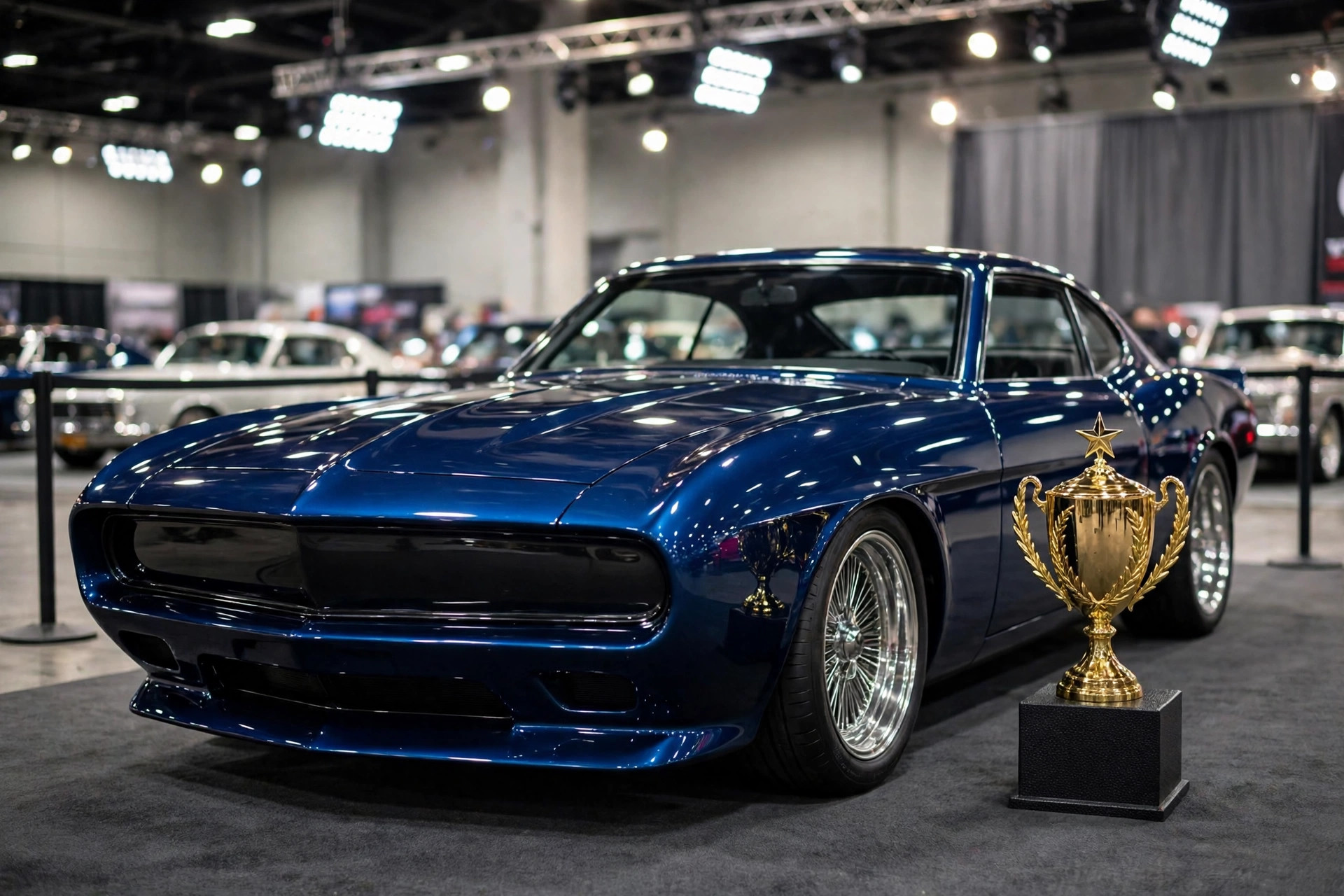


Before you roll on, check out What Car Show Judges Look For: Common Deductions and How to Avoid Them — it builds on exactly what you just read.
Found this useful? Pass it on to a friend who would appreciate it too.

