
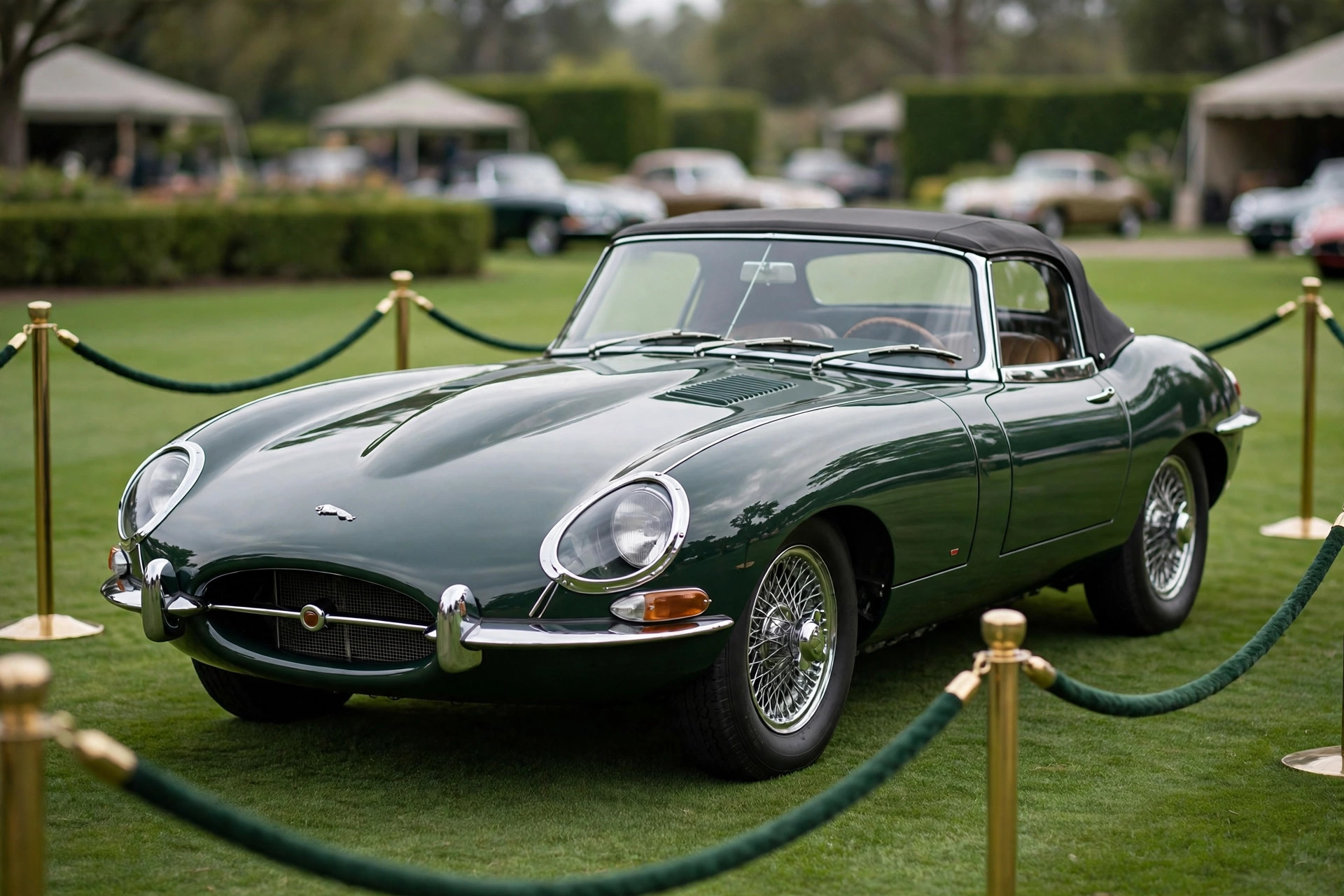
If you are wondering whether a formal concours or a relaxed local show is right for you, the answer depends on who you are as an owner, what car you have, and how you want to spend your weekends. A concours d’elegance and a Saturday morning local show differ in judging standards, preparation demands, costs, atmosphere, and what it takes to win. Newcomers often treat every car show as the same thing with different scenery, and they are not. Entering the wrong type of event for your car and your temperament is the fastest way to have a bad day in a hobby that should be fun.
This guide compares the two worlds honestly: what concours demands and what it gives back, what local shows reward and where they fall short, and how to choose the right events for where you and your car are right now. Many enthusiasts enjoy both, but they prepare for each differently. The famous concours d’elegance events represent one end of the spectrum, and understanding the full range helps you find your place in it.
Two Different Worlds
Concours events are formal, judged to exacting standards, and usually held on manicured lawns at prestigious venues. Cars are often invited or must qualify, judging follows strict rulebooks with 100-point deduction systems, and originality is prized above all. The atmosphere is refined: no loud music, no burnouts, no for-sale signs. Spectators dress up, and the cars are presented like museum pieces, because in a sense they are.
That formal tradition is what the term Concours d’Elegance describes, and it helps explain why these events feel so different from an everyday show. Local shows are the opposite: open entry, casual atmosphere, and judging that ranges from formal points systems to people’s choice ballots. They happen in parking lots, parks, and main streets, often as fundraisers or club events. Music plays, food vendors line the edges, and kids climb on the hoods of the friendlier entries.
The whole local event feels like a community picnic that happens to involve cars. Both formats are legitimate, and they simply serve different purposes. The competitor’s experience differs most in pressure.
At a concours, every detail of your car will be examined by experts, and the preparation required is measured in months. At a local show, the standard is cleanliness, condition, and appeal, and a well-kept driver can genuinely compete. Neither is better in the abstract. The question is which matches your car, your budget, and how you want to spend your weekends.
What Concours Demands and What Local Shows Reward
Concours preparation is a professional-grade undertaking. Cars are detailed to a standard where judges examine the underside on lifts, check date codes on components, and deduct for finishes that are merely excellent rather than factory-correct. Owners typically spend months preparing, often with professional help for paint, upholstery, and mechanical restoration. The financial commitment runs from thousands to hundreds of thousands of dollars depending on the car’s starting point.
The judging is correspondingly rigorous. Deduction-based scoring against factory-correct standards means the judges know your car as well as you do, sometimes better. They will find the reproduction part, the incorrect hose clamp, and the over-restored finish.
This is not hostility; it is the standard that makes concours meaningful. Winning at this level requires the car to be right in ways that casual observers will never notice, which is precisely the point. The rewards match the demands. A concours win, especially at a major event, is a permanent credential: it raises the car’s value, its provenance, and its owner’s standing in the hobby.
The social experience is also unique, placing you among the finest cars and most knowledgeable enthusiasts in the world. For owners of significant cars, there is simply nothing else like it. Local shows reward the cars people love, and the standards reflect that. Judging emphasizes cleanliness, condition, and overall appeal over factory correctness.
A beautifully kept modified car, a lovingly maintained survivor, or a cool daily driver can all win classes at local shows. The judges are scoring the car in front of them against reasonable expectations, not against a factory build sheet from fifty years ago. Preparation is measured in days, not months. A thorough detail, a clean engine bay, and attention to the details judges check will put you in contention in most local classes.
The entry fees are modest, the atmosphere is welcoming to beginners, and the trophies, while less prestigious, are genuinely earned. Many lifelong enthusiasts never compete above the local level and have a wonderful time doing it. The community aspect is the local show’s greatest strength. You will see the same people season after season, share advice and parts sources, and watch each other’s projects evolve.
The cars and coffee culture overlaps heavily with local showing, and the friendships formed at local events are what keep most people in the hobby for decades. If you value the social side of car culture, local shows deliver it in a way concours cannot. That welcoming side is also where many owners first compare notes on newer entries, whether they arrived in a classic or are reading up on guides such as 2026 Subaru Suv Specs before choosing their next project.
The Real Cost Comparison
Concours costs extend far beyond the entry fee. Professional detailing, paint correction or restoration, correct parts sourcing, transportation in an enclosed trailer, and sometimes professional handlers at the event all add up. It is common for a concours season to cost as much as a decent used car, and for a full concours restoration to cost more than the car’s market value. Owners accept this because the goal is excellence, not economy.
Local show costs are refreshingly small. Entry fees run from free to fifty dollars, preparation is mostly your own labor plus detailing supplies, and you drive the car there. A full season of local shows can cost less than a single concours weekend. This accessibility is the point: local shows are designed so that ordinary enthusiasts with ordinary cars can participate fully.
The hidden cost of concours is time. Months of preparation, research into correctness, and the stress of maintaining perfection take a toll that money cannot offset. Local shows ask for a weekend and a wash bucket.
Be honest about which commitment fits your life. There is no shame in choosing the format you can sustain. The shame is in burning out on a format that was never right for you.
Which Should You Enter
Match the event to the car, and match it to your temperament as well. The clearest way to decide is to work through what each format actually rewards:
- A numbers-matching, well-restored classic belongs at concours or at least at serious judged shows where originality is rewarded.
- A modified car, a driver-quality classic, or a modern enthusiast car belongs at local shows, where condition and appeal are the standards.
- If you love research, obsess over details, and find satisfaction in correctness, concours will reward your nature.
- If you love driving your car, meeting people, and enjoying Saturdays, local shows are your format.
Entering a modified car at a concours is donating your entry fee, while entering a concours car only at local shows is leaving prestige on the table. The happiest competitors are the ones whose events match their personality. The unhappiest are the ones chasing prestige they do not actually enjoy. That is true whether your interest runs to a restored classic or to something more accessible that you have researched through guides such as Affordable Volkswagen Luxury Car.
Consider a progression. Many successful concours competitors started at local shows, learned judging basics, built their skills and their cars, and stepped up when they were ready. The local show circuit is the hobby’s training ground, and there is no faster way to learn what judges see than competing regularly at a forgiving level. When your car and your preparation outgrow the local classes, you will know, and the concours world will still be there.
Enjoying Both Worlds
You do not have to choose exclusively. Many enthusiasts keep a serious car for judged competition and a fun car for local shows, or they show the same car at different levels with different preparation. A car detailed to concours standard will dominate local shows, and the local show season keeps the car exercised and the owner sharp between major events. The two formats complement each other when approached with the right mindset.
The key is adjusting expectations per event. At a concours, you are there to be measured; at a local show, you are there to participate. Bringing concours intensity to a charity parking-lot show makes you the person everyone avoids, and bringing a casual attitude to a concours wastes everyone’s time. Read the room, match the event’s culture, and you will be welcome in both worlds.
Whatever you choose, the fundamentals transfer. The restoration discipline that prepares a car for concours judging is the same discipline that wins local shows; only the standard changes. Learn the craft at whatever level you enter, respect the format you are in, and let your ambitions grow with your skills. The hobby has room for every level of seriousness, from the Saturday morning regular to the Pebble Beach contender.
Related posts:
This is one stop in the Car Reviews & Features garage. Plenty more models, guides and stories are parked in the same category.
Bookmark this guide — it will come in handy in the garage.

