
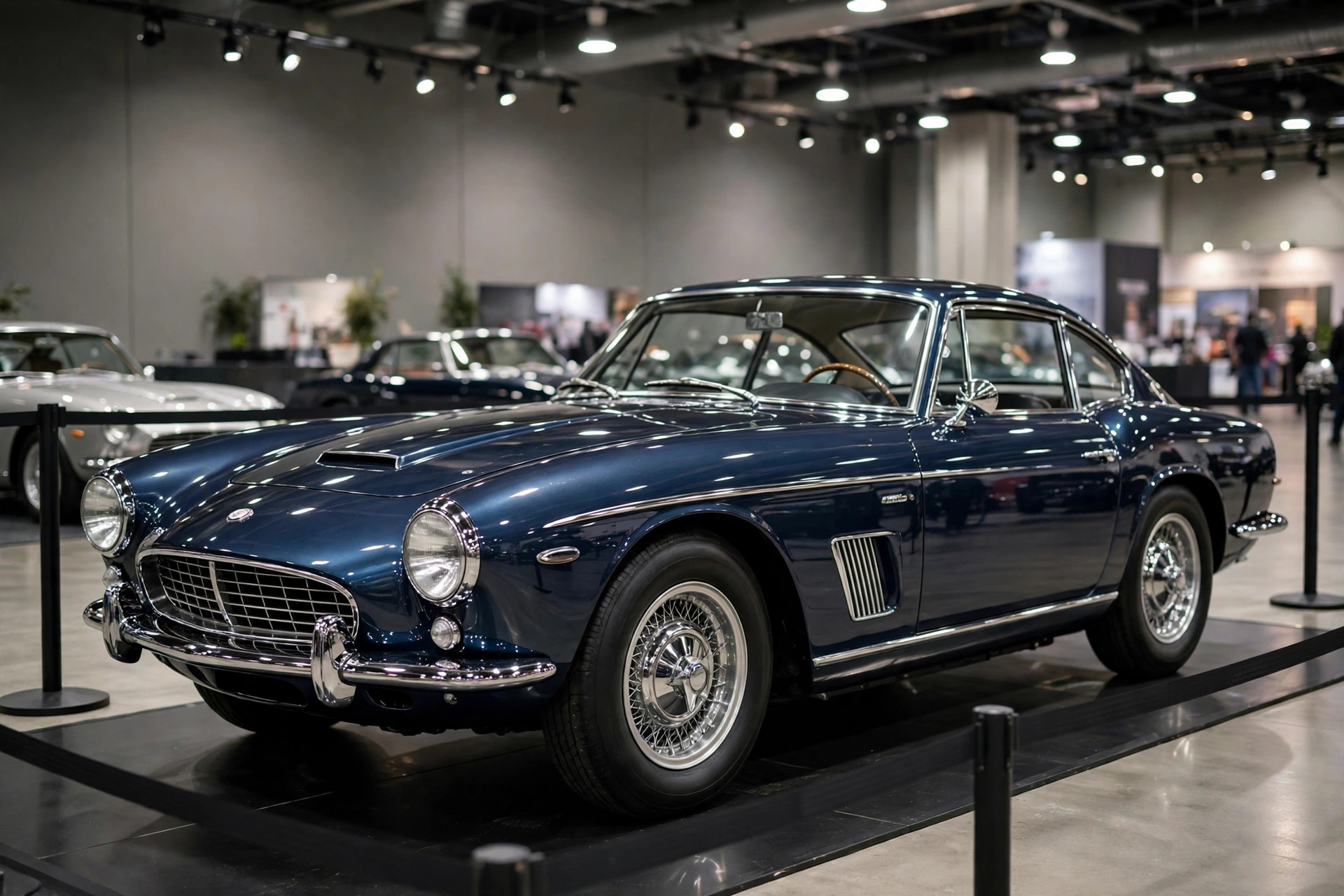
Which car show class should you enter, who will you be competing against, and why does that single choice matter more than how well you detail the car? Registering for the wrong class is the most avoidable mistake in car showing. A beautifully restored stock Mustang entered in a modified class will lose to cars with thousands in aftermarket parts, and a tastefully modified car entered in a stock class will bleed originality deductions.
The class you choose determines who you compete against and what standard the judges apply, which makes class selection a strategic decision, not a formality. Car show classes exist to make judging fair by grouping similar cars together. The system varies from show to show, but the logic is consistent: separate by era, by modification level, and by body style, so that a 1967 fastback is not judged against a 2024 crossover.
This guide explains the class structures you will encounter, how to read a show’s class list, and how to pick the class where your car has the best chance. Newcomers who also review basic car show etiquette norms norms will arrive better prepared for everything the day involves. The wider world of the car show is welcoming — provided your car is standing in the right row.
Why Classes Exist
Without classes, every car would compete against every other car, and judging would be meaningless. A concours-restored 1957 Chevrolet and a daily-driven 2015 Honda are both fine cars, but they cannot be scored against the same standard. Classes solve this by grouping cars that can fairly be compared: similar eras, similar modification levels, similar purposes — the class defines the rulebook your car will be judged against.
Classes also protect the competitive integrity of the show. Organizers want owners to feel that entering is worthwhile, and nobody enters twice if their stock daily driver gets crushed by a trailer-queen restoration in the same class. Good class structure spreads trophies across the field, rewards different kinds of effort, and keeps the hobby welcoming.
When you see a show with thirty or forty classes, that granularity is a feature, not clutter. The practical consequence is that your first job after deciding to enter a show is reading the class list carefully. Class names are not standardized across the hobby, so never assume you know what a class means from the name alone.
A class called Modified at one show might mean anything non-stock, while at another it might mean heavily customized only. Read the definitions, and when in doubt, email the organizers. Newer entries — the kind covered in this look at 2026 Subaru Suv Specs and this guide to 2026 Rivian Hatchback Exterior: Design Trends & Exterior Features — now share fields with decades-old classics.
The Common Class Families
Most shows build their class list from a few standard families. Stock or original classes are for cars as the factory built them, with deductions for any modification. Modified classes are for cars with aftermarket parts, and these often split further into mild and wild, or street and full custom.
Classic and antique classes group cars by era, often in twenty- or twenty-five-year brackets. Trucks, motorcycles, and special-interest vehicles usually get their own classes entirely. The main families you will see on most class lists are:
- Stock or original: cars as the factory built them, with deductions for any modification.
- Modified: cars with aftermarket parts, often split into mild and wild, or street and full custom.
- Classic and antique: cars grouped by era, often in twenty- or twenty-five-year brackets.
- Marque-specific: all Mustangs, all Corvettes, or all Porsches together, sometimes subdivided by generation.
- Specialty: pro street, lowrider, rat rod, restomod, survivor, and daily driver classes, each with its own judging emphasis.
Marque-specific classes appear at brand-focused shows: all Mustangs together, all Corvettes together, all Porsches together, sometimes subdivided by generation. These are the most competitive classes in the hobby, because the judges and the competition both know the cars intimately. Entering a marque show in a common model means facing owners who know every correct detail, so preparation needs to be thorough — the Oldsmobile 442 story shows how deep marque knowledge runs among dedicated owners.
Specialty classes cover the rest: pro street, lowrider, rat rod, restomod, survivor, and daily driver classes each have their own culture and judging emphasis. Survivor classes, which reward original unrestored cars, have grown rapidly because they celebrate preservation over restoration. Daily driver classes reward well-kept cars that are actually used, judged more on cleanliness and condition than on perfection — there is a class for nearly every kind of car enthusiasm if you look.
Stock Versus Modified: The Big Divide
The stock-versus-modified line is the most important boundary in class selection, and it is stricter than many newcomers expect. In a stock class, even small deviations can cost points: aftermarket wheels, a modern stereo, non-original hoses, or a repaint in a non-factory color. Stock judging is about correctness, and the standard is the car as it left the factory.
If your car has any modification you care about, it probably belongs in a modified class. Modified classes flip the standard: now the judges reward the quality, creativity, and execution of the modifications. A well-done modification program with coherent styling, quality parts, and clean installation will beat a car with expensive parts installed sloppily.
The key word is execution. Judges in modified classes look at panel fit after body mods, wiring quality, paint match on custom work, and whether the whole car tells one story or looks like a parts catalog exploded on it. Every detail of the build is evidence, for better or worse.
The gray zone is the lightly modified car: a stock-looking car with better tires, a mild exhaust, or subtle suspension work. Most shows handle this with a mild-modified or street-stock class, but not all do. When no middle class exists, you have to choose between competing stock with deductions or competing modified against full builds — and honesty about which standard fits better usually points to the modified side, where your changes at least count as intended rather than as flaws.
Era and Age-Based Classes
Classic car shows commonly divide entries by production era: pre-war, 1950s, 1960s, 1970s, and so on, sometimes in finer slices for popular decades. These divisions exist because a 1932 Ford and a 1972 Chevelle represent completely different restoration challenges and cannot be judged against each other fairly. Era classes also shape the social experience, since owners of same-era cars tend to cluster, share parts sources, and speak the same restoration language.
Antique and historic designations add another layer, often tied to age thresholds like twenty-five or thirty years. Some shows use these as separate classes with their own judging emphasis on originality and preservation. A car that qualifies as antique at one show might be in a general classic class at another, so check the show’s definitions rather than relying on your state’s registration categories, which are a legal matter and have nothing to do with show classes.
Modern classes for cars built in the last twenty years have expanded as the hobby’s demographics shifted. Late-model muscle, tuner cars, and modern exotics now fill classes that did not exist a generation ago. If you show a newer car, look for shows with dedicated modern or late-model classes, where your car will be judged against peers instead of being an afterthought in a field of classics.
How to Pick Your Class
Start by listing everything non-original about your car, honestly. Every modification, every replacement part that is not factory-correct, every deviation from stock. Then read the class definitions with that list in hand and find the class whose standard your car actually meets — this exercise feels tedious, but it takes ten minutes and it is the difference between competing fairly and donating your entry fee.
When you fall between two classes, consider where your car’s strengths lie. A lightly modified car with exceptional paint and detailing might do better in a stock class absorbing a few modification deductions than in a modified class where it looks plain next to full customs. Conversely, a heavily modified car should never hide in a stock class hoping the judges miss the mods; they will not, and the deductions will be worse than competing honestly.
When genuinely unsure, ask the organizers before the show, not the judges during it. Think about your goals, too. If you are chasing trophies, pick the class where your car is strongest relative to typical competition; if you are there to learn, pick the class with the toughest standard you can fairly enter, because the score sheet from a hard class teaches more.
And if you are there for fun, the cars and coffee gatherings style casual gatherings often have the loosest classing and the friendliest atmosphere for experimenting with different entries. There is only a wrong class to show a car in.
Class Mistakes to Avoid
The classic mistake is entering a stock class with a modified car and hoping for the best. Judges in stock classes are specifically trained to spot modifications, and every one becomes a deduction. Worse, it can look like you were trying to sneak an advantage, which colors the whole judging walk — enter the class your car actually belongs in, even if the competition looks tougher.
The opposite mistake is over-classing: entering a mild car in an extreme class where it cannot compete. A clean daily driver in a full-custom class will be judged against trailer queens with six-figure builds, and the experience is discouraging. Match the class to the car’s actual level; there is no shame in a street or daily-driver class, since those classes exist because most enthusiasts drive their cars, and winning one is a genuine achievement.
Finally, do not class-hop between shows to chase easy trophies. Entering different classes at different shows for the same car looks opportunistic, and regulars notice. Pick the honest class for your car, stay in it, and let consistent competition against a stable standard build your reputation — the trophies you win that way are the ones that actually mean something.
Related posts:
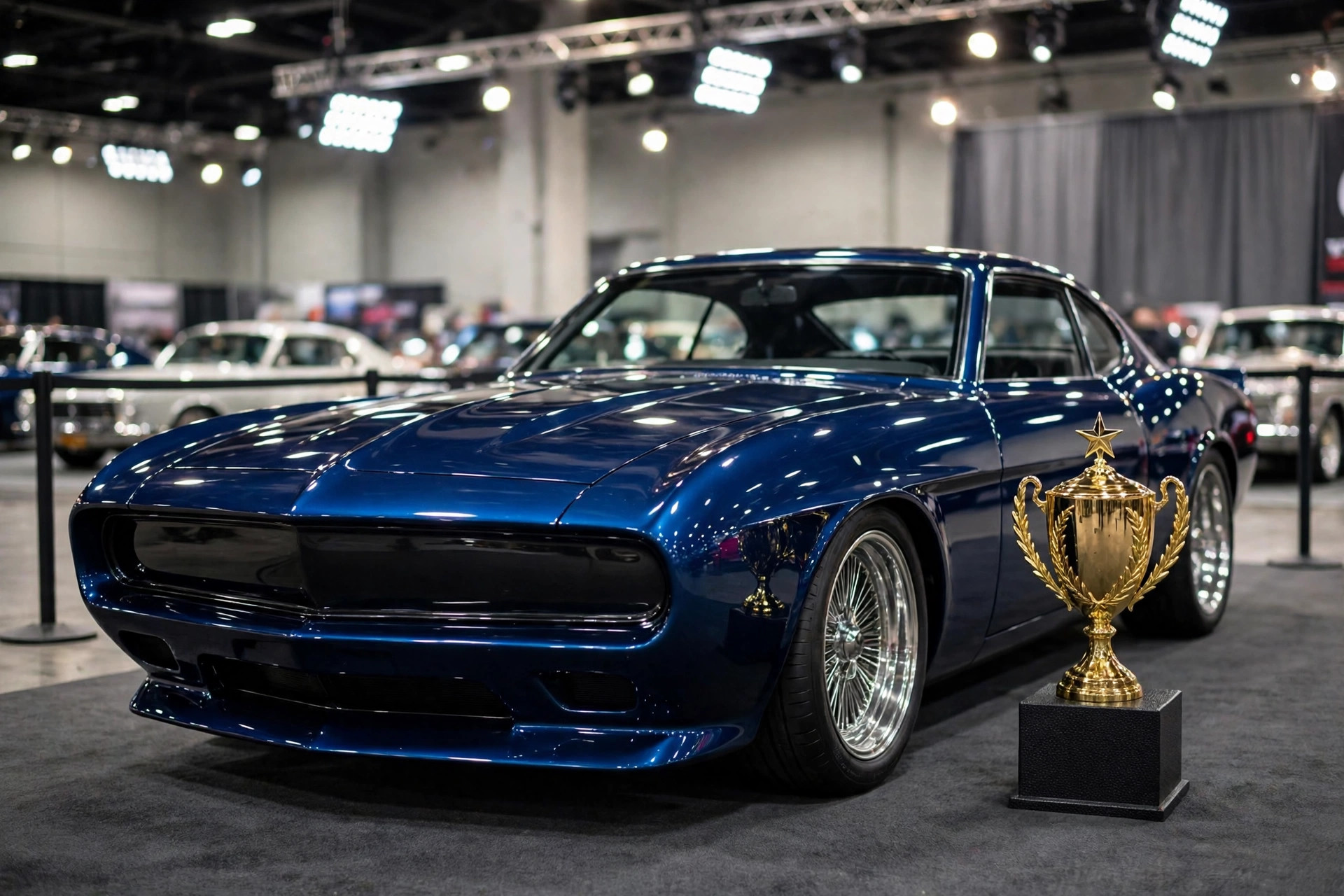
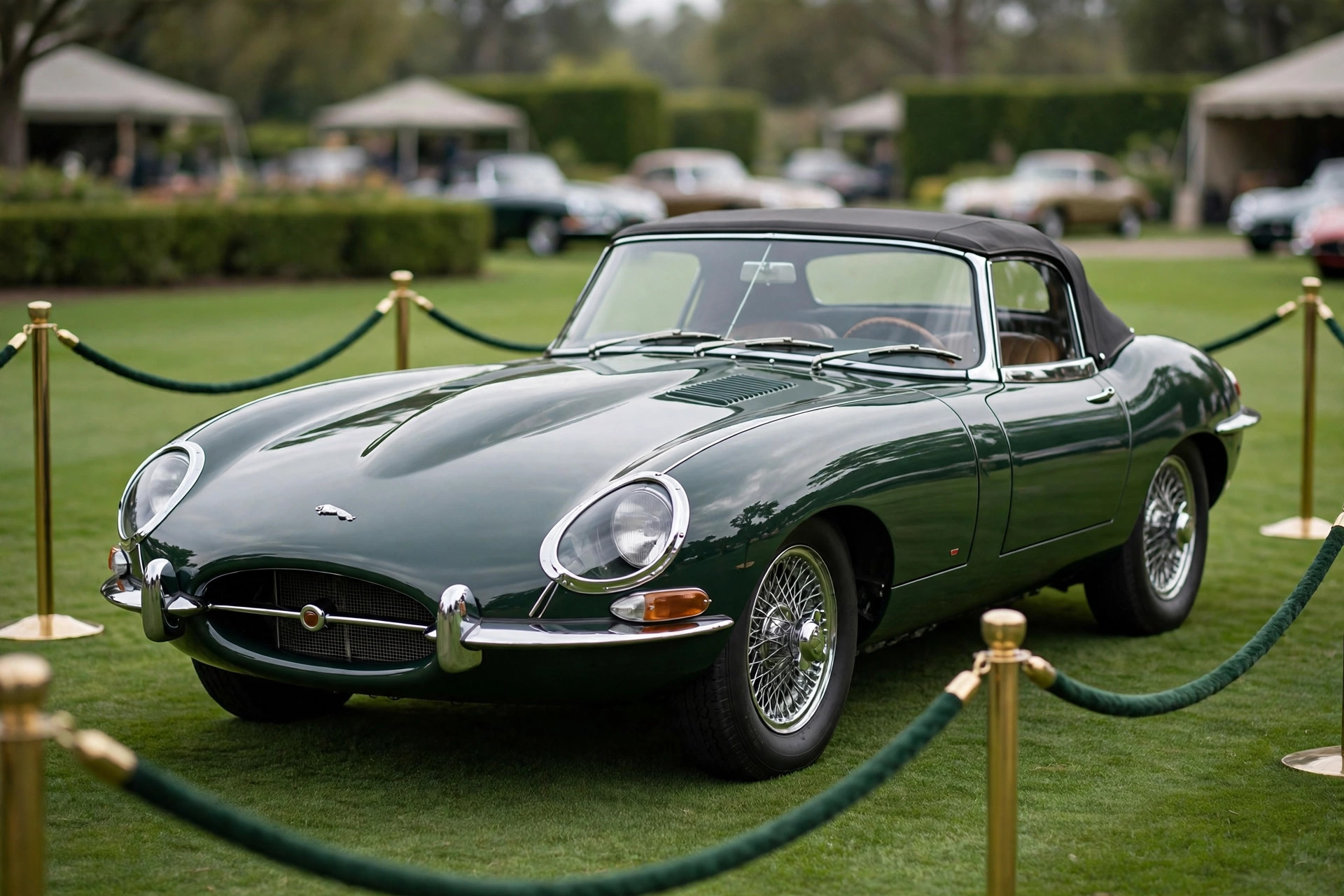

Finished here? Interior Presentation for Car Shows: Judges’ Eye-Level Details is the most natural next drive from this page.
Found this useful? Pass it on to a friend who would appreciate it too.

